
For homes
We coat garage roofs, patio covers and flat additions on Bell Gardens homes. You get a written scope and a fixed price before we start.
- Garage roof leaks
- Chalked patio cover
- Cracked flat addition
A coating is not a new roof, and it should never be sold as one. On a flat Bell Gardens roof where the deck is sound, the membrane is basically intact and the problem is surface ageing, ponding wear or heat, a coating can extend the roof's life and reflect summer sun. Where the deck is wet or the membrane has failed across the field, a coating only hides the problem.
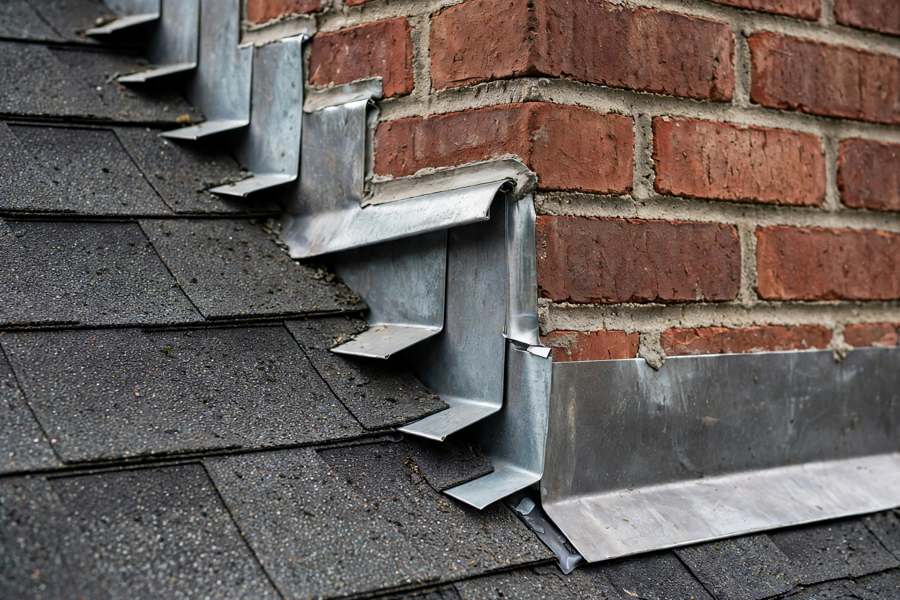 Moisture readingsSeam detailDrain check
Coatings are a Bell Gardens gap because so many flat roofs here are ageing but not yet failed. The useful question is not 'which coating?' but 'is this roof a coating candidate, or does it need replacement?' — and the answer has to come from inspection, not from a brochure.
What this service covers here: Elastomeric and silicone coating application for flat roofs; Surface preparation, seam treatment and flashing work before coating; Coating assessment — an honest check of whether coating is appropriate at all.
Coating is worth discussing for a sound flat roof showing surface wear, for heat reflection on a large flat area, and for extending the life of a roof that is not yet ready for replacement.
Every coating job we sell includes the prep, the products and the detail work that make the membrane last. We list what is covered in the written scope so there is no ambiguity about what you are paying for.
We walk the roof, probe for soft spots with a roofing hammer, take moisture readings and photograph drains, flashing and ponding areas. You get a written report with a clear recommendation before any work is scheduled.
Power-washing, blister cut-out, flashing repair and fastener replacement are all part of the job. Prep is what makes the coating bond, so we do not shortcut it. Any wet insulation we find gets removed and patched before primer goes down.
We roll on the manufacturer's primer and hand-detail every seam, pipe boot, drain ring and curb with polyester fabric embedded in coating. Corners and terminations get extra material because that is where wind-driven rain attacks first.
We apply two full passes of elastomeric coating at the manufacturer's specified spread rate, usually 1.5 to 2 gallons per square per coat. Cure time between coats runs four to eight hours depending on temperature and humidity.
We inspect the finished membrane for pinholes and thin spots, walk the roof with you, and hand over photos of every stage plus the product data sheets. We also clear the gutters and downspouts so the first rain drains properly.
The approach is the same for a home and a business. What changes is the access, the schedule and who needs the paperwork.
We coat garage roofs, patio covers and flat additions on Bell Gardens homes. You get a written scope and a fixed price before we start.
We coat warehouse, retail and multi-family roofs across Los Angeles County. Work is scheduled around your operating hours so tenants stay open.
A plain-language look at what Roof Coatings involves and when it is needed.
See how it worksRoof coatings Bell Gardens CA is a fluid-applied membrane system that cures into a seamless, weatherproof layer over an existing flat or low-slope roof. We start with a roofing hammer and pry bar to sound out soft spots, then a shingle ripper and tin snips to open blisters and trim failed flashing. After repairs, we roll on primer and two coats of reinforced acrylic or silicone coating at roughly 1.5 to 2 gallons per square. The finished film bridges hairline cracks, seals fastener heads and reflects heat instead of absorbing it.
Most Bell Gardens roofs take a beating from the same two things: summer UV and winter ponding. A reflective roof coating Bell Gardens near me search usually starts after a ceiling stain appears in a back bedroom or a tenant complains about a drip near a rooftop HVAC unit. Coating is the right call when the deck is still solid but the surface has chalked, cracked or lost its granules. We inspect first, tell you honestly whether coating will hold, and only then schedule the work.
Coating buys years when the deck is dry and the surface has failed.
Every job follows the same five stages. You get a written scope, a start date and a walkthrough at the end before we pack up.
We walk the roof, probe soft spots with a roofing hammer, check drains and scuppers, and photograph ponding areas. You get a written report with moisture readings and a clear yes-or-no on whether coating will hold. If the deck is saturated, we tell you coating is the wrong call and quote repair or replacement instead. This visit takes about an hour.
We power-wash the surface, cut out blisters with a shingle ripper, replace failed flashing and re-secure loose termination bars. Rusted fasteners get pulled and replaced, and any wet insulation is removed and patched. Prep is the slowest part of the job and the reason the coating bonds. Expect one to two days on a typical 2,000 square foot roof.
We roll on the manufacturer's primer, then hand-detail every seam, pipe boot, drain ring and curb with reinforced fabric and coating. Corners and edges get extra material because that is where wind-driven rain pushes hardest. This stage usually takes a full day and cannot be rushed, since the detail coats need to cure before the field coats go down.
Two full passes of elastomeric coating go down at the specified spread rate, usually 1.5 to 2 gallons per square per coat. We use a power drill with a mixing paddle to keep the pails consistent and a chalk line to keep the passes straight. Cure time between coats runs four to eight hours depending on temperature and humidity. Total field coating is one to two days.
We inspect the finished membrane for pinholes, thin spots and missed details, then walk the roof with you or your property manager. You get photos of every stage, the product data sheets and a maintenance schedule. We also clear the gutters and downspouts so the first rain after the job drains the way it should.
Move across a circle, or focus it and press Enter, for an illustrative thermal view of the photograph.
Used during inspection to sound out soft spots in the deck and lift failed flashing without tearing the membrane. If the deck gives under the hammer, coating is the wrong answer and we say so.
Cut out blisters, open failed seams and trim reinforcement fabric to size. Clean cuts mean the patch sits flat and the coating bonds evenly across the repair.
Keeps every pail of coating mixed to the same consistency before it goes down. Unmixed coating cures unevenly and leaves thin spots that fail first.
Used for hand-detailing pipe boots, drain rings, curb edges and terminations with sealant before the fabric and coating go on. Detail work is where most coating failures start.
Keeps field coats straight and helps us track spread rate across large roofs. If a section looks thin, we know before the coating cures.
Thermal views are illustrative, generated from the photographs.
Run across the lot and driveway at the end of every workday to pick up fasteners and metal debris. Tenants and customers never have to worry about a nail in a tire.
Safe access on every roof, including steep transitions and buildings with parapet walls. We do not cut corners on fall protection.
We take readings across the field and at every penetration before quoting. Dry readings mean coating is viable; saturated readings mean the insulation has to come out first. This is the single most important step in deciding whether to coat or replace.
Polyester fabric embedded in coating is applied at every seam, pipe boot, drain ring and curb. The fabric carries the movement and the coating carries the water. This is the standard practice for commercial coating systems and it is included on every job we run.
We apply two full passes at the manufacturer's published spread rate, usually 1.5 to 2 gallons per square per coat. Thinner applications cure faster but wear through sooner, so we hold the rate even when it adds a day to the schedule.
Before any coating goes down, we clear drains and scuppers and correct obvious low spots. A coated roof that still ponds will fail at the ponding line no matter how good the coating is.
A 1970s commercial building near Garfield Avenue with a modified bitumen roof that has blistered and lost its granules but still has a dry deck.
We cut out the blisters, reinforce the seams with fabric and coating, and apply two full coats of reflective elastomeric over the field. The work is done in three days without a tear-off or a dumpster on the lot.
Outcome: The building stays occupied, the roof reflects heat instead of absorbing it, and the owner gets eight to ten more years before replacement comes up again.
A multi-family property in the Darwell / Hannon / Gallant / Asmus–Jaboneria Pocket where the garage roof ponds near one corner and drips into a storage area every winter.
We correct the low spot with tapered material, clear the drain, detail the corner with reinforced fabric and coat the full garage roof. Tenants keep parking in the same spots throughout.
Outcome: The storage area stays dry through the rainy season, and the owner avoids a full tear-off on a roof that still has a solid deck.
A warehouse on the Gage Avenue Corridor with rooftop HVAC units and pipe penetrations that leak at the curbs every time it rains hard.
We re-flash every curb and penetration, embed fabric in coating at each detail, and coat the field with a silicone system rated for ponding water. Work is scheduled around shipping hours.
Outcome: The leaks stop at the source, the HVAC curbs are sealed, and the roof surface temperature drops enough that the package units run shorter cycles in summer.
A homeowner on Clara Street with a flat patio cover that has cracked and chalked but is otherwise sound.
We power-wash, prime and roll two coats of acrylic coating over the patio cover, detailing the edge and the attachment to the house. The job takes a day and a half.
Outcome: The patio cover is waterproof again, the surface is bright white instead of chalky gray, and the homeowner gets years of use before replacement is needed.
Bell Gardens sits in the Los Angeles basin, which means hot, dry summers and a short but intense rainy season. Flat roofs here take UV all year and then get tested by two or three storms that drop a lot of water fast. Most of the building stock is older, with modified bitumen rolls and EPDM rubber membrane that have been patched more than once.
Coating works well on those roofs when the deck is dry, and we take moisture readings before we quote so we are not guessing. We also check attic ventilation on residential jobs, because poor ventilation cooks the underside of the deck and shortens the life of any coating. We schedule coating work in spring and fall when temperatures are mild enough for proper cure, and we handle emergency repairs year-round.
Before: A 3,000 square foot modified bitumen roof on a central Bell Gardens building had blistered in four places, lost its granules and leaked at two pipe boots. The owner had been quoted a full replacement.
After: We cut out the blisters, re-flashed both pipe boots with fabric-reinforced detail, and applied two coats of reflective acrylic over the field. The roof is watertight and the surface temperature dropped measurably on the first hot afternoon.
Clear the drains twice a year and schedule a walkthrough every two years to check seams and touch up thin spots. That schedule should carry the coating to its full service life.
Before: A homeowner on Clara Street had a flat garage roof that ponded in one corner and dripped into a storage area every winter. The surface had chalked gray and the edge flashing had pulled away from the wall.
After: We corrected the low spot with tapered material, re-secured the edge flashing, and coated the full roof in two passes. The storage area stayed dry through the next rainy season.
Keep the drain clear of leaves and check the edge flashing each fall. A five-minute look before the rains start prevents most of the problems we get called about.
Before: A warehouse on the Gage Avenue Corridor leaked at three rooftop HVAC curbs and one large pipe penetration. The existing coating was peeling within a year of being applied by another company.
After: We removed the peeling coating, primed the substrate, embedded fabric at every curb and penetration, and applied a silicone system rated for ponding water. The leaks stopped and the field has held through two storm seasons.
Inspect the curbs and penetrations each spring, reseal any cracked sealant and keep the roof free of debris around the drains. Silicone systems tolerate ponding but they still last longer when water drains.
Most Bell Gardens flat roofs fail the same way: seams open, flashing pulls, water ponds and the surface chalks away. Coating addresses all of it in one pass when the deck is still sound.
A dry building and a roof that reflects instead of absorbs.
A full tear-off and re-roof on a 2,000 square foot flat roof can run five figures. A roof coating application Bell Gardens CA on the same roof often lands at 25 to 40 percent of that number, and it can be done in two or three days instead of two weeks. You keep the existing deck, avoid dumpster fees and avoid a full tear-off.
White and light-gray reflective coatings push solar reflectance up to roughly 0.85, which drops surface temperature on a 95-degree afternoon by 40 to 60 degrees compared with a black modified bitumen surface. For a Bell Gardens commercial building with rooftop package units, that translates into shorter compressor run times and less strain on equipment that is already near the end of its service life.
Flat roofs fail at the seams, penetrations and flashing first. We reinforce every lap with polyester fabric embedded in the coating, then detail pipe boots, drains and HVAC curbs by hand with a caulking gun and brush. That fabric-reinforced detail work is what separates a coating that lasts eight to ten years from one that peels within two.
Coating generates a fraction of the debris of a replacement. There is no dumpster in the driveway, no shingle dust in the gutters and no days of exposed underlayment if rain moves in. We protect landscaping, sweep the lot with a nail magnet sweeper and haul away only what we cut out. Most homes and businesses stay occupied the entire time.
Clear records you can keep and share.
Readings, photos and a coating verdict
Prep, products, coats and fixed price
Prep, detail and finished membrane
Product sheets and maintenance schedule
The right coating depends on what is on the roof now and whether water stands on it.
Water-based, reflective, good on dry roofs
Tolerates ponding, long service life
Tough topcoat for high traffic
Bell Gardens, CA 90201. Not listed? Call and ask: it only takes a minute.
Based in Bell Gardens. Pick a pocket for local details.
Prep work, the number of coats, whether fabric reinforcement is needed and how many penetrations must be detailed all move the number.
A properly installed acrylic coating lasts eight to ten years in Bell Gardens, and silicone systems can reach fifteen years. The variables are surface prep, coating thickness and whether you keep ponding water off the roof. We recommend a walkthrough every two years to check for thin spots, reseal details and clear drains. Recoating before the film wears through is far cheaper than repairing the deck underneath.
We do. Our crews handle prep, repair, priming, fabric detail and field coats in-house, so the people who inspect your roof are the same people who coat it. Call +1 (424) 336-0888 to schedule an inspection.
Coating is better when the deck and insulation are dry and structurally sound, because it costs 25 to 40 percent of a replacement and adds eight to fifteen years of service. Replacement is the right call when the deck has delaminated, insulation is saturated or more than 25 percent of the surface has failed. We take moisture readings during the inspection and tell you which side of that line your roof is on.
Other services from the same team.
We inspect the roof, take moisture readings and tell you honestly whether coating will hold. Call +1 (424) 336-0888 or request an inspection online and we will get you on the schedule.
Call us at +14243360888 — we are open 24 hours, every day. Tell us what you are seeing and we will bring the right tools.